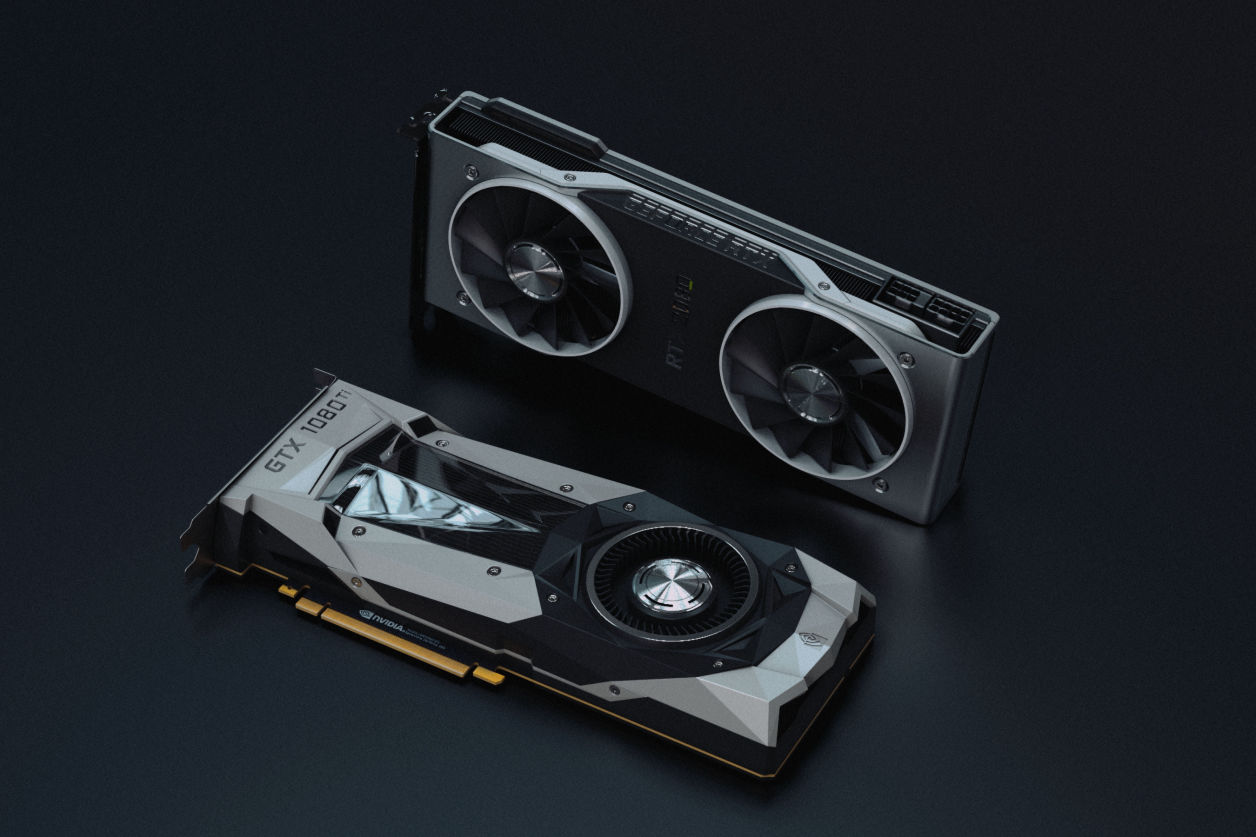
In countries like US, retailers introduced rules limiting buyers to one item per person or even one item per household for high demand items like GPUs. This greatly reduced the amount of available stock that ended up in one person's hands and helped normalizing the resell value of these items.
- Raising awareness
- Campaigning store owners
- Equal distribution of available products
- Store Managers
- Community Members
- Enthusiasm & initiative
To minimize the effects of the chip shortage in Turkey, we're going to campaign our local retailers to introduce purchase limitations similar to what is being done in foreign countries. Limiting the amount of high demand products purchasable at once lets available stock to be more evenly distributed among people and helps to prevent hoarding & reselling these products at marked up prices. These limitations can be enforced by checking government issued IDs at the time of purchase and limiting only one item to be purchased by one person for a set amount of time. According to an article by Techspot after applying these restrictions throughout May to June graphics card prices at resellers seen a drop of 8% to 14% on average (Thubron, 2021).
This solution is basically a one to one implementation of what is being done by retailers outside of Turkey. It's a simple yet effective way of minimizing the effects of the ongoing chip shortage. Since this solution is so simple to implement, we only have to let our local retailer know such restrictions are needed to create a even playing ground for everyone trying to purchase electronics. This can be done by filling out feedback surveys or simple social media posts. Most of the responsibility falls down to the store owners. They have to create a system to keep track of who got their share and who didn't. One of the upsides of this solution is that it's completely free to implement and won't cost anything to the customer or the store. Another huge upside of this solution is that it will start giving results as soon as a new batch of shipment arrives at the store, so it's going to be really fast. Some challenges we might encounter while implementing this solution is resistance from store owners. They might not care about distributing available stock evenly among everyone and only care about if they sell it or not. Other than that there's no negative sides to this solution, since it's only going to be applied to products that are in high demand, retailers won't lose revenue by not being able to sell what they have and buyers will be happy to be able to get their hands on a shiny new graphics card. As time passes hoarders will run out of options and their marked up prices will begin to fall and go back to normal.